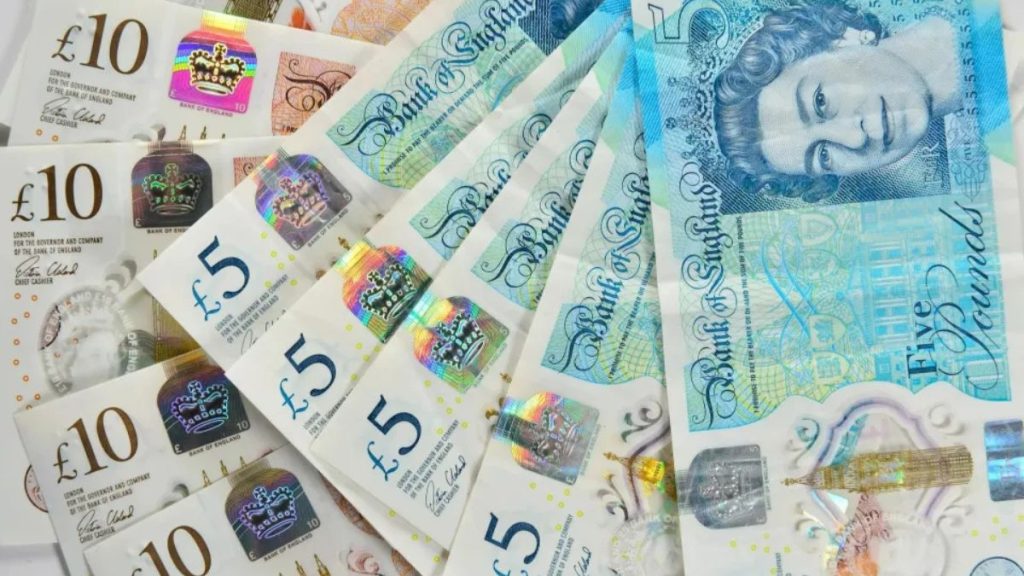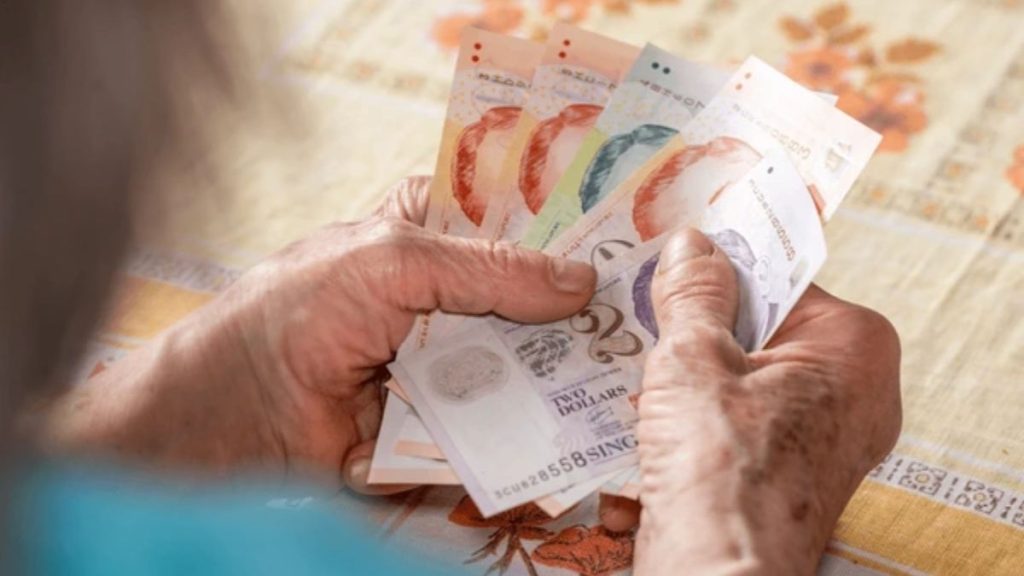
Hello Everyone, for millions of households across the United Kingdom, the annual TV licence fee has long been a point of financial contention, particularly for pensioners living on fixed incomes.
This opening section clearly marks where the central issue appears at the very start of the article, setting the context for why the issue has resurfaced so strongly. In recent months, renewed calls to reinstate a universal free TV licence for all pensioners have gathered momentum, raising expectations among older citizens struggling with the rising cost of living.
Television remains a vital source of companionship, information, and routine for many elderly people, especially those living alone. As financial pressures mount, the debate has moved from policy circles back into public focus.
Latest Stories
 £200 Cost of Living Payments Confirmed for UK Households – How to Check Eligibility and Apply
Why the TV Licence Fee Remains a Sensitive Issue
The standard TV licence currently costs £169.50 per year, a figure that may appear modest to some but represents a meaningful burden for pensioners managing tight weekly budgets.
For many older households, the licence fee competes directly with essential spending such as heating, food, and medication. This reality has kept the issue firmly in the spotlight during the ongoing cost-of-living crisis.
How the Free TV Licence Worked Before 2020
Before 2020, the system was simple: any household with a resident aged 75 or over automatically qualified for a free TV licence.
Latest Stories
 DWP Confirms £706 Payment From Tomorrow – Thousands of UK Pensioners Set for Surprise Winter Boost
The scheme was funded by the government and widely regarded as a basic form of support for older people. That arrangement changed when responsibility was transferred to the BBC, fundamentally reshaping eligibility rules.
Why the BBC Changed the Eligibility Rules
When the BBC took over funding responsibility, it introduced means-testing to control costs. Under the revised system, only pensioners aged 75 or over who receive Pension Credit qualify for a free licence.
The broadcaster argued that without tighter criteria, the cost would significantly reduce its ability to fund programmes and services.
Latest Stories
 UK Living Costs Revealed for Indian Students in 2026 – The Real Monthly Budget No One Tells You
Public Backlash Following the Rule Change
The move sparked widespread criticism from pensioner groups, charities, and MPs across party lines. Campaigners argued that television is not a luxury for older people but a crucial lifeline, particularly for those with mobility issues or limited social contact.
Many felt the responsibility for funding a social welfare measure should never have been shifted away from the government.
Current Eligibility Rules Explained Clearly
Despite repeated headlines suggesting a universal return, there is currently no free TV licence for all pensioners. Eligibility remains strictly defined.
To qualify today, households must meet all of the following conditions:
- At least one resident aged 75 or over
- The individual or their partner must receive Pension Credit
- An application must be made through TV Licensing
Failure to meet any requirement means the full licence fee must be paid.
Why Many Pensioners Miss Out on Free Licences
A major problem is low awareness and low take-up of Pension Credit. Thousands of pensioners who qualify for Pension Credit have never claimed it, often due to lack of information or concerns about stigma.
Because Pension Credit acts as the gateway to a free TV licence, this results in many pensioners paying unnecessarily.
Financial Consequences of Missing Eligibility
Failing to claim Pension Credit can cost pensioners far more than just the TV licence fee. The £169.50 annual cost is only part of the picture.
Pension Credit can also unlock:
- Cold Weather Payments
- Council Tax reductions
- Help with NHS costs
- Housing-related support
Unclaimed benefits amount to millions of pounds each year.
Why Campaigners Want Universal Access Restored
Supporters of a universal free licence argue that the previous system was:
- Simpler
- Fairer
- Less expensive to administer
They claim means-testing leaves out pensioners who are “just above” the eligibility threshold but still struggling financially.
The Cost-of-Living Crisis Adds New Urgency
The sharp rise in energy prices and food costs has intensified pressure on pensioner households. For those on the State Pension alone, every additional bill increases the risk of financial hardship.
Campaigners argue that removing the TV licence fee would offer immediate relief without complex application processes.
Loneliness and Social Isolation Among Pensioners
Loneliness has become a major public health concern among older people. For many pensioners, television provides companionship and a sense of connection to society.
Removing access due to cost can deepen isolation, particularly for those who are housebound or living in rural areas.
The Role of Charities in the Campaign
Organisations such as Age UK have consistently called for reform, arguing that television should be treated as an essential service rather than a discretionary expense.
They stress that older viewers are far less likely to switch to streaming services, making traditional TV their primary source of information.
How to Check If You Are Eligible Right Now
Pensioners are strongly encouraged to check their eligibility for Pension Credit. Doing so automatically determines eligibility for a free TV licence.
The official calculator available on GOV.UK takes only minutes to complete and can reveal entitlement that has gone unclaimed for years.
Steps Pensioners Should Take Immediately
To ensure no benefits are missed, pensioners should:
- Use the Pension Credit calculator online
- Contact TV Licensing if turning 75
- Review household benefit status
- Keep benefit award letters safe
Taking these steps can unlock multiple forms of financial support.
The Government’s Position on Universal Free Licences
The UK government has so far resisted reinstating universal coverage. Treasury officials argue that a blanket policy would be expensive and would benefit wealthier retirees who do not need support.
Instead, ministers defend the targeted approach as a way to focus help on the most vulnerable.
Political Pressure Continues to Build
Despite official resistance, political pressure continues to grow. Several MPs have publicly backed a return to government-funded universal licences, especially as elections approach.
Campaigners believe the issue resonates strongly with older voters and their families.
Why the BBC Is Caught in the Middle
The BBC remains in a difficult position. Funding free licences has forced it to make savings elsewhere, including cuts to services and staff.
Many believe that returning funding responsibility to the government would allow the broadcaster to focus on content rather than welfare provision.
Broader Questions About the Licence Fee Model
Some experts argue the licence fee itself may be outdated. Alternatives under discussion include:
- A household levy
- Funding through general taxation
- Hybrid subscription models
Any future system would likely include protections for pensioners.
What Pensioners Should Expect Next
No immediate change has been announced, but the debate is far from settled. The issue remains under review amid growing public pressure and changing political priorities.
For now, awareness and benefit checks remain the most effective tools for pensioners.
(5) Frequently Asked Questions (FAQs)
Q1: Is the TV licence free for all pensioners in the UK?
No. Currently, only those aged 75 or over who receive Pension Credit qualify.
Q2: How much does a TV licence cost in 2026?
The standard annual fee is £169.50.
Q3: How do I apply for a free TV licence?
Eligible pensioners must apply through TV Licensing and provide Pension Credit details.
Q4: Why do campaigners want universal free licences back?
They argue it is fairer, simpler, and reduces financial stress for pensioners.
Q5: Could the rules change soon?
There is no confirmed change yet, but political and public pressure continues to grow.